- Lurulabs Marketing Digest
- Posts
- Cart Abandonment, Negative Ads & the Danger of Playing It Safe
Cart Abandonment, Negative Ads & the Danger of Playing It Safe
Edition 72

Luru Labs
June 10, 2025
Hello there,
This week’s roundup is a mix of the uncomfortable truths marketers often gloss over: from the sneaky costs of “defensive” strategies to the subtle ways free stuff backfires. We’re digging into what actually works when customers vanish mid-checkout, how negativity in ads can sometimes be a good thing, and why even well-meaning giveaways can carry risk. It’s a good one — let’s get into it.
Let’s get into it
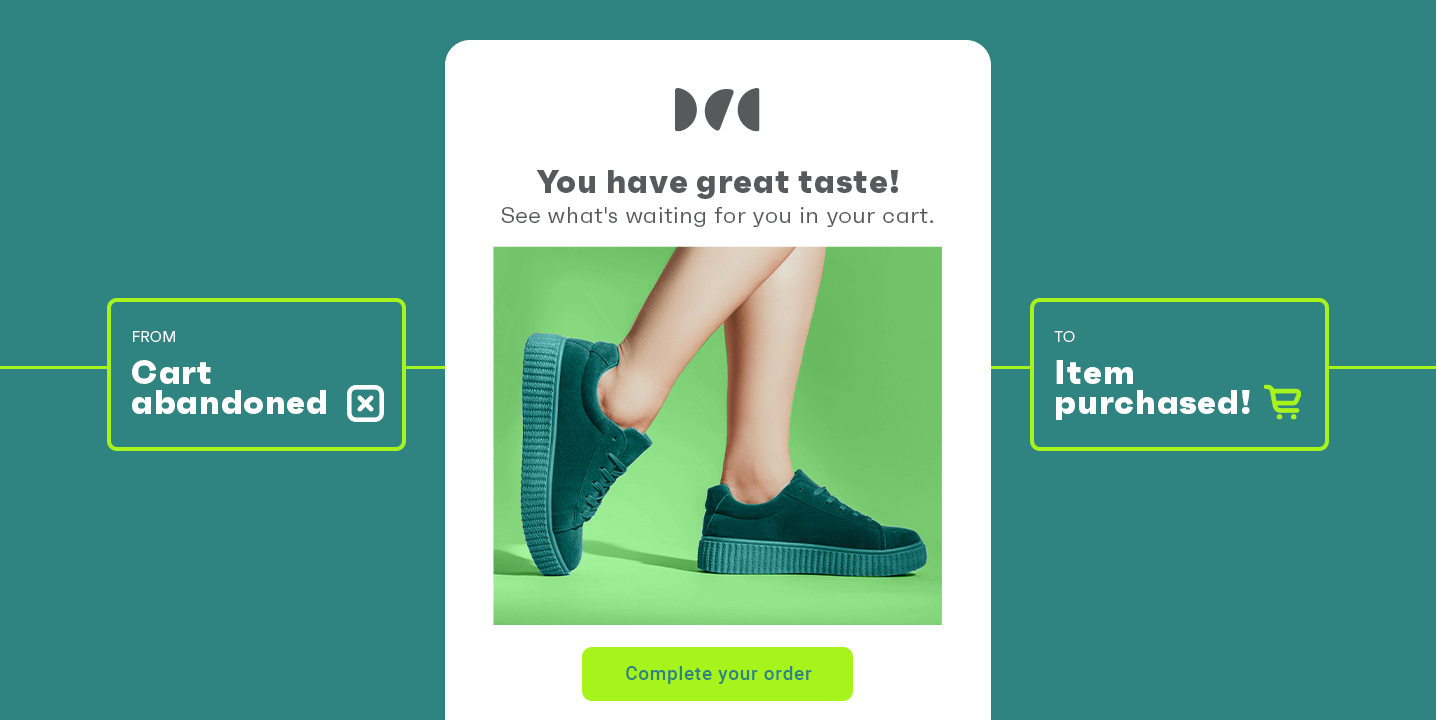
Why Do So Many Shoppers Abandon Their Carts?
Omnisend breaks it down with data-backed reasons why people ghost at checkout—and more importantly, what you can do about it. From shipping surprises to poor mobile UX, this one's essential reading if you're tired of seeing full carts and empty conversions.
Can Negative Ads Actually Work?
It turns out that not all negativity is bad. This piece from LBB explores how brands like Apple and BrewDog have leaned into confrontation, sarcasm, or blunt honesty to great effect. A useful lens for anyone bored of playing nice.

The Price of Playing It Safe
This Martech article looks at how "defensive marketing"—like over-relying on loyalty discounts or matching competitor promos—can quietly erode brand equity over time. Sometimes offense really is the best defense.

You might think offering something for free is always a win. But according to this HBR piece, it can backfire—cheapening your brand, attracting the wrong audience, or triggering unintended behaviors. A must-read if you’ve ever run a “free trial” campaign and wondered why retention tanked.

That’s all for this week 👋
Marketing’s never just about good vibes and discounts—it’s also about hard choices, real data, and understanding how people actually behave. If any of these links sparked something, send them to a teammate or start a Slack rant. We won’t judge.
Signing off,
Team ‘Luru