- Lurulabs Marketing Digest
- Posts
- Perception, pricing & why the AI gold rush is only getting started
Perception, pricing & why the AI gold rush is only getting started
Edition 92

Luru Labs
October 27, 2025
Hello there,
This week we’re unpacking perception and power: how fictional storytelling can shape belief, why signaling (like “woman-owned”) changes credibility, a no-nonsense take on broken pricing, and a reminder that AI adoption is still very early—so the opportunity is huge if you play the long game
The Tilly Norwood Effect — When fiction shapes reality
A clever fictional influencer campaign showed how emotional storytelling can feel more real than facts—and why audiences still crave authenticity even when they know something’s staged. Big lesson: narrative truth often outperforms literal truth in sparking attention and meaning.

Woman-owned brands are perceived as more competent
New behavioral research finds that labeling a business as woman-owned can increase perceived competence and ethical standing—especially in categories historically dominated by men. It’s a powerful example of how a simple signal can reshape customer judgment.

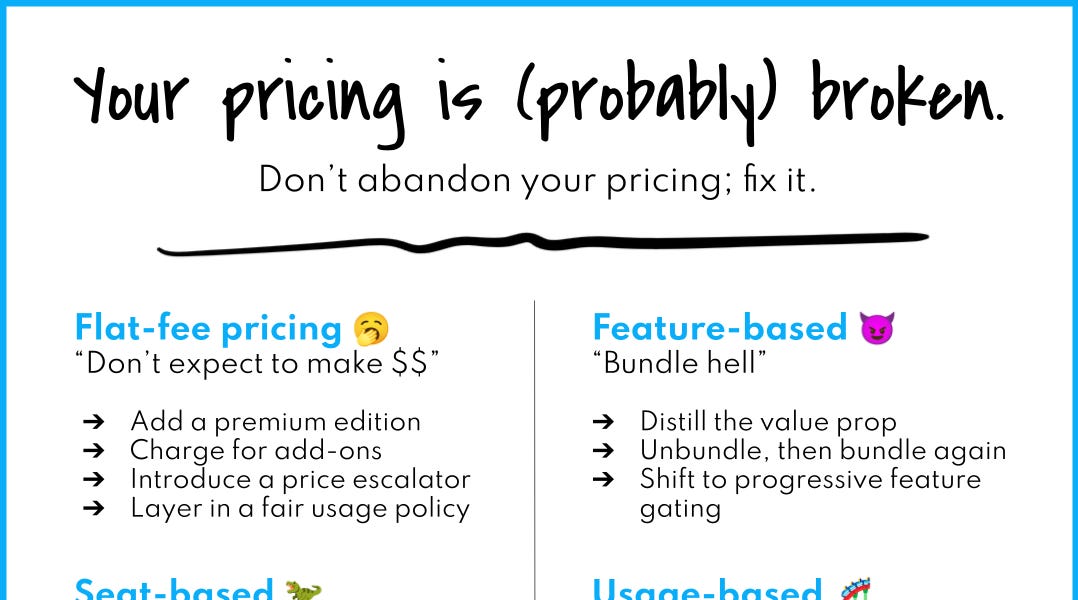
Your pricing is broken (and here’s how to fix it)
Growth Unhinged walks through common pricing mistakes—overreliance on costs or competitor benchmarks, and under-testing of willingness to pay—and offers a practical framework for pricing experiments that reveal real customer value. Worth bookmarking if pricing decisions feel like guesswork.
It’s still 1995 — AI adoption is early, not late
This thoughtful piece argues we’re in the early innings of AI’s adoption curve: tech is moving fast, but real-world uptake often lags. The takeaway? Now’s the time to experiment, build durable moats, and invest for the long run—not panic about “missing the boat.”

Until next week —
Perception often trumps facts; small signals move markets; pricing needs experiments, not hunches; and the AI gold rush is still young. Pick one idea from this list and run one small test this week — that’s how momentum starts.
Signing off,
Team ‘Luru