- Lurulabs Marketing Digest
- Posts
- Turn Insults Into Ads, Crocs' Cultural Takeover, Short Films vs. Short-Form
Turn Insults Into Ads, Crocs' Cultural Takeover, Short Films vs. Short-Form
Edition 97

Luru Labs
December 01, 2025
Hello there,
Hey there! Hope you're having a great week. This week we're exploring how brands can weaponize criticism with a 27% CTR boost, the genius behind Crocs turning "ugly" into a $4 billion empire, why some brands are rejecting short-form video for cinematic storytelling, and the startling truth about AI models becoming the influencers of the future.
Let's jump in!
Turn Insults Into Ads: The 27% CTR Boost
Duke University research reveals that brands reappropriating mild, unjustified insults see 27% higher click-through rates than those denying criticism. When an electronics store called "an out-of-date, birdbrain of a store" owned the insult in their ads, engagement soared. The psychology behind why confidence and humor trump defensiveness could transform how you handle negative feedback and turn critics into customers.

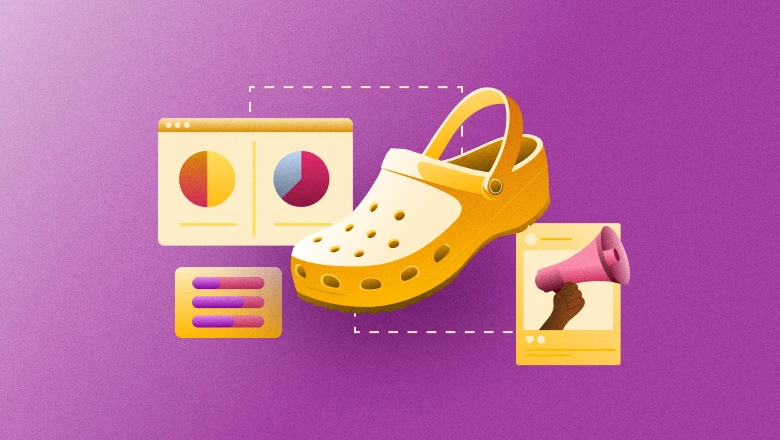
How Crocs Turned "Ugly" Into a $4B Cultural Icon
Crocs mastered turning polarizing design into a strength through strategic celebrity collabs, nostalgia marketing, and authentic engagement. Their Le Sserafim K-pop partnership generated 4,000+ fan messages, while Taylor Swift album tie-ins drove Facebook's biggest engagement spike. The breakdown reveals how selecting genuine brand fans, creating FOMO with limited drops, and embedding into cultural moments built a billion-dollar business that younger consumers see as both comfort and status.
The Short Film Rebellion: Brands Going Cinematic
While everyone obsesses over 15-second TikToks, United Airlines, Cash App, and Gushers are creating 2-4 minute cinematic films. United's Hallmark collaboration and Cash App's Timothée Chalamet theater placement signal a counter-movement to disposable content. The creative directors behind this trend explain why longer storytelling with actual beginnings, middles, and ends creates deeper emotional connections—and why going Hollywood isn't always easy or guaranteed to pay off.

AI Models Are the Influencers of the Future
Analysis of 1.5 million ChatGPT conversations reveals 49% of messages are asking for advice, not completing tasks. People treat AI like trusted advisors—70% use it for product recommendations and 64% buy based on those recommendations. The eight-message average mirrors influencer consultations, not searches. AI models form distinct opinions about brands, and the shift from gaming SEO algorithms to earning AI trust changes everything about how marketing works.

That's the wrap for this week! What strikes us about all these stories is how they challenge the obvious playbook—whether it's embracing criticism instead of fighting it, doubling down on "ugly" when everyone says change, going long when the world screams short, or recognizing AI as an influencer when we're still focused on traditional channels.
Catch you next week!
Team ‘Luru