- Lurulabs Marketing Digest
- Posts
- Voice Volume in Sales, Clarify's LinkedIn Playbook, Generational Marketing Gaps
Voice Volume in Sales, Clarify's LinkedIn Playbook, Generational Marketing Gaps
Edition 96

Luru Labs
November 24, 2025
Hello there,
Hey there! Hope you're having a great week. This week we're exploring how something as simple as speaking louder can close more sales, the LinkedIn strategy that turned a startup into a lead machine in six months, why marketing tactics that work on Boomers completely fail on younger generations, and the sobering truth about why most A/B tests (and published research) are probably wrong.
Grab a coffee and let's dive in!
Speak Louder to Close More Sales: The Voice Science
New research reveals that something as basic as speaking slightly louder than average makes you sound more confident, authoritative, and in control—directly impacting sales conversions. Combined with the golden 43:57 talk-listen ratio from analyzing 25,000+ sales calls, there's a precise formula for voice optimization that most reps completely miss. The surprising science behind how pace, volume, and body language shape buyer decisions could transform your next pitch.

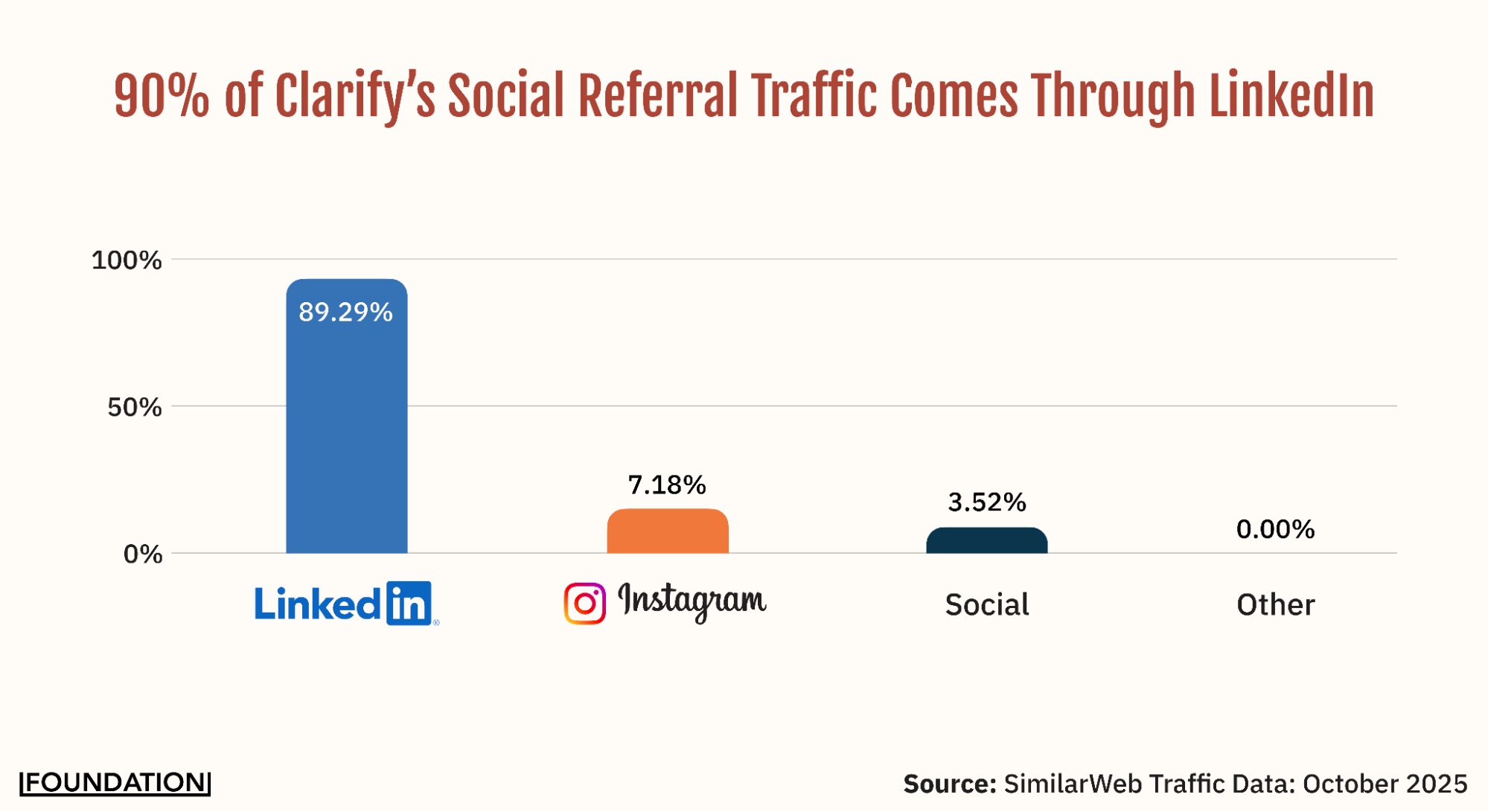
How Clarify Made LinkedIn Their #1 Lead Channel in 6 Months
Clarify, an AI-native CRM startup competing against Salesforce and HubSpot, cracked LinkedIn with a systematic approach that any B2B brand can replicate. Their secret? Four narrative pillars, a founder-led content supply chain, and Ross Simmonds' insight that "LinkedIn isn't broken, but most lead gen approaches are." The tactical breakdown includes how they extract executive wisdom at scale and why employee profiles crush company pages.
8 Marketing Tactics That Work on Boomers But Fail on Gen Z

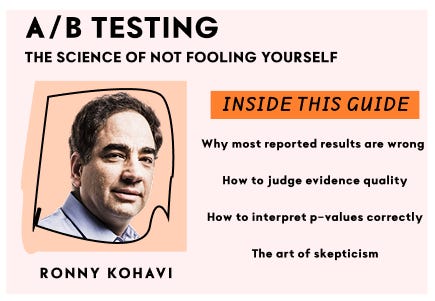
Why Most A/B Test Results Are Wrong (And How to Fix It)
Ron Kohavi, former Technical Fellow at Airbnb and Microsoft, drops a bombshell: most statistically significant A/B test results are false positives. With median success rates of only 10% in online experiments and Winner's Curse inflating effects in low-power tests, that viral "55% lift" study probably won't replicate. The hierarchy of evidence and power formula inside will completely change how you evaluate test results and published research.
That's it for this week! What struck us most about these pieces is how they all challenge assumptions we take for granted—whether it's basic voice mechanics in sales, the "best practices" everyone follows on LinkedIn, marketing tactics we think are universal, or test results we assume are true. The best marketers question everything and demand extraordinary evidence for extraordinary claims.
Hope one of these got you rethinking something you've been taking at face value. If any of this sparked new ideas or challenged your current approach, I'd love to hear about it!
Catch you next week!
Team ‘Luru